
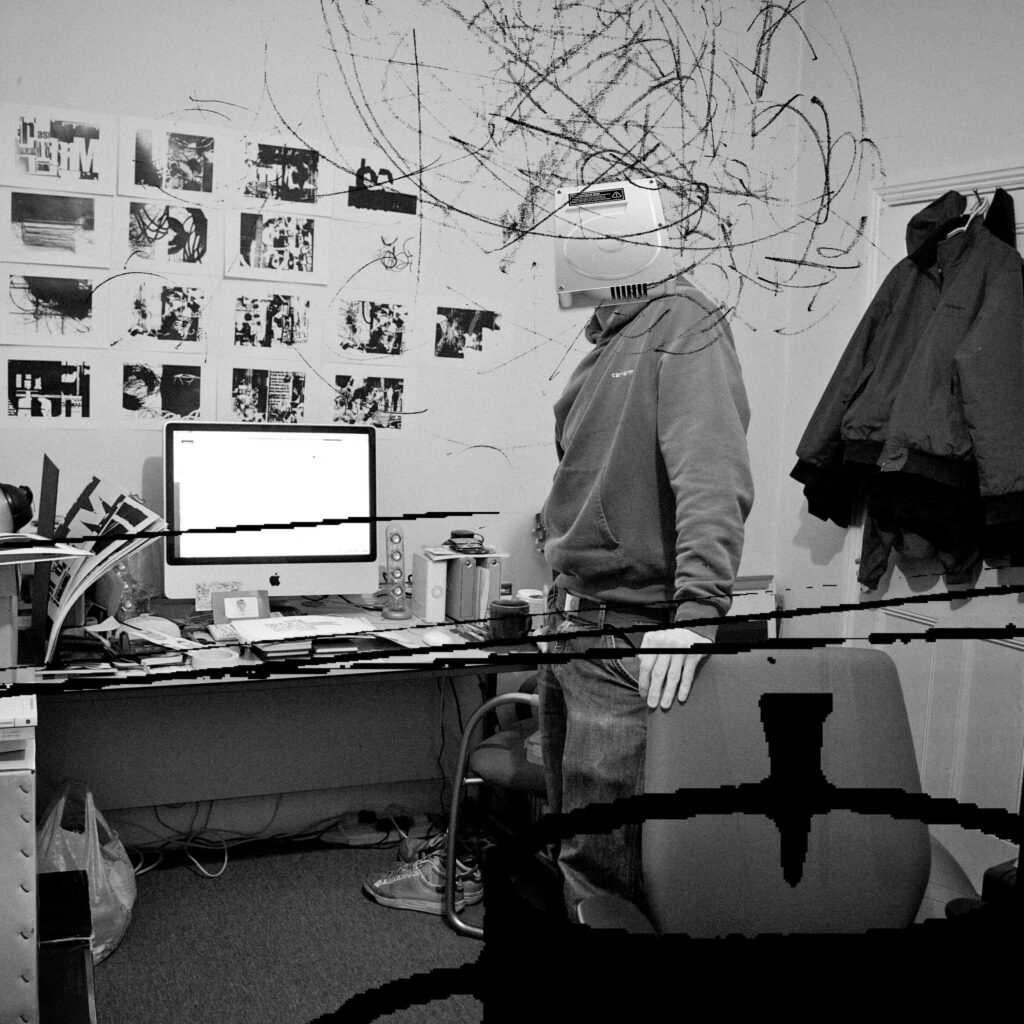
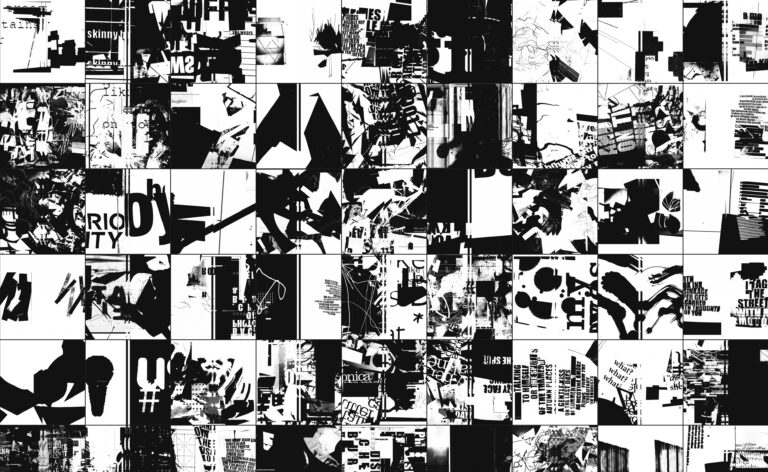
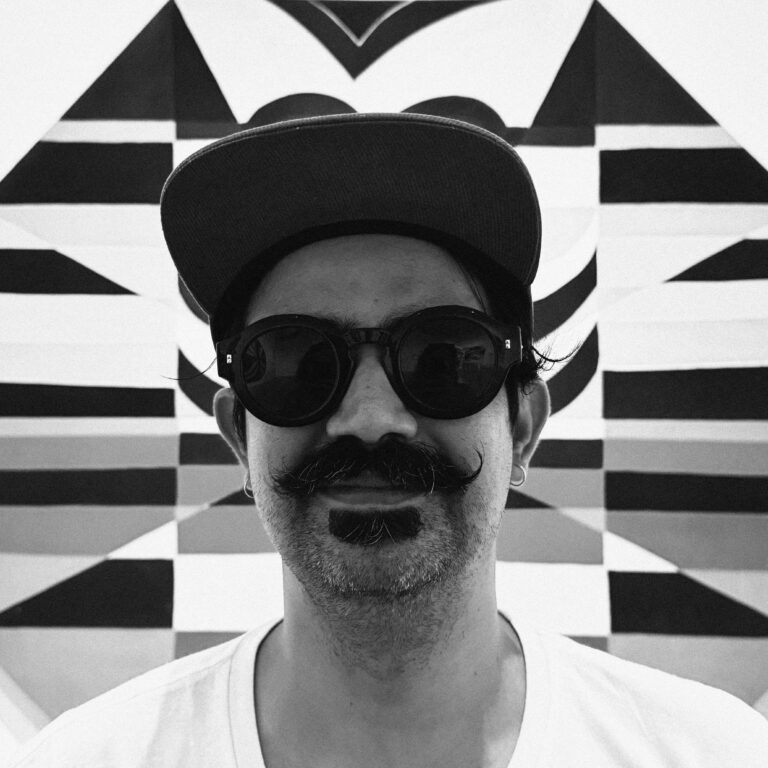
Paul Richards studio

Interview with Paul Richards

Paul Richards is a type-loving designer who loves B&W, Letraset, and pops of colour. His personal work mixes analogue and digital tools, and he enjoys film and print as much as pixels, photocopiers and fax machines as much as his Mac. Often prone to doodling, scribbling and making up children’s stories, he blew all the money he earned from his first professional design job as a teenager on a pair of sneakers, and doesn’t regret it.

Do you come from a creative family?

No, and I’m the first one to try and make a living from being a creative – it’s a work in progress.


How about your entry into the industry, what was your first job?

I started in editorial design, working as a junior designer on a monthly newsstand magazine. I always loved magazines, and I got to work on them when they still enjoyed healthy sales and massive circulations. Starting work in the mid-nineties was an exciting and transitional time, straddling the cultural and technological shift from analogue to digital. It shaped me tremendously, and I’m lucky to have experienced this unique period.

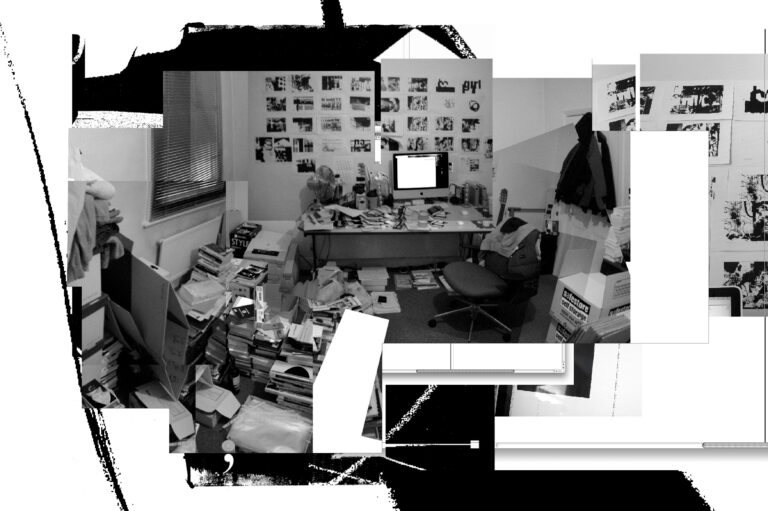
Paul Richards studio

What is the most exciting part in the process of your work?

Getting lost in stuff – wandering creatively without direction, letting things unfold.

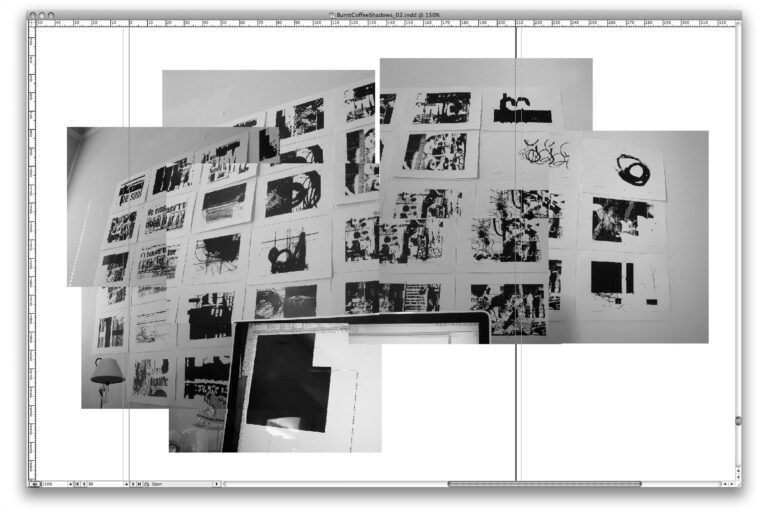
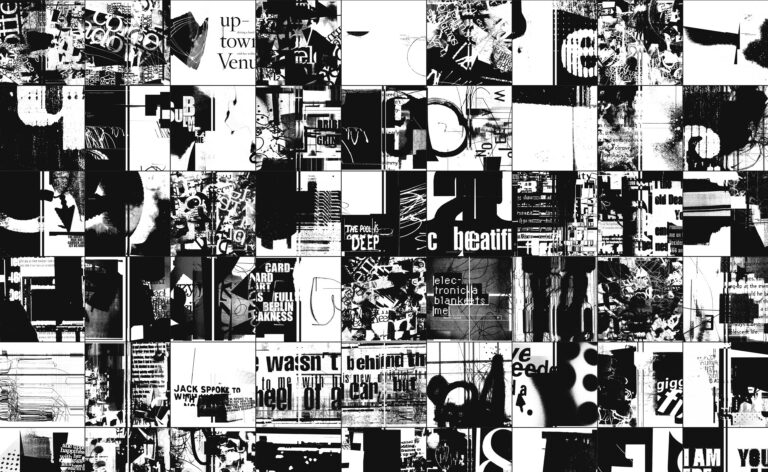
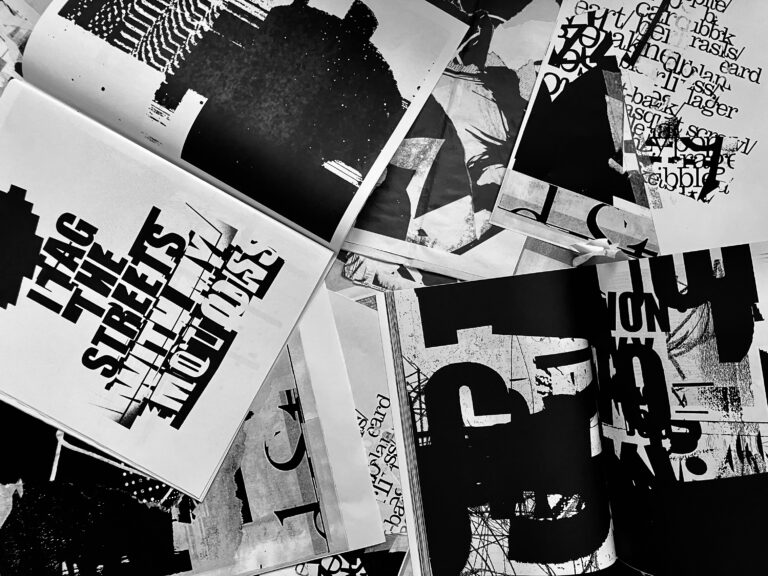
Paul Richards studioPaul Richards studioPaul Richards studio

Was there a point in your life when you decided you had to take a big risk to move forward?

Yes. It was almost 18 months into my first job. I wasn’t happy for many reasons, but especially creatively. One evening, I made a very rash decision to quit my job. I had no plan, no savings, no contacts. I had no idea beyond needing to change.


You live in London. Do you think the city has an impact on your work?

Everyone is a product of their environment. You can’t help but be shaped by where you live, what is around you, and the things you become exposed to daily. London is a bustling hive of audio/visual stimuli. So many areas of the urban environment carry different messages, a culture clash of corporate and personal messaging. I find this exciting, but I’m more interested in the process of decay and renewal of these messages and symbols – the spaces where they get jumbled into a mixture of old and new. Despite the influence of London, being submerged in a city can make it difficult to really see what is around you. I value travel for the different perspectives it brings, plus the ability to see things afresh when returning to London. It allows a system reset.


What does success mean to you?

Enjoying what you’re doing, wanting to show up every day and be challenged. Finding fulfilment in the process.

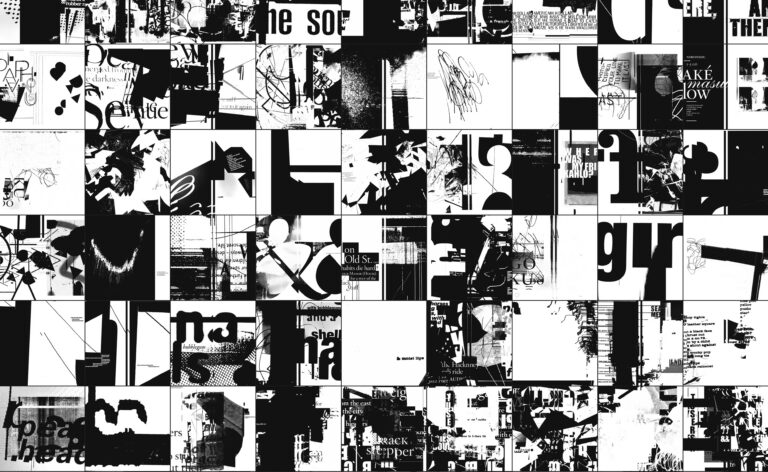
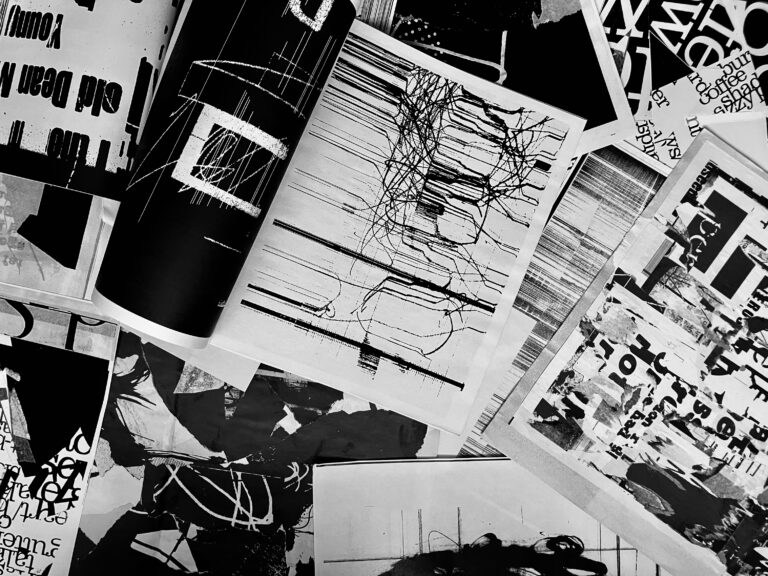
Paul Richards studio Paul Richards studio

Which are mistakes you are doing over and over again?

Not having a website.


What are you working on right now?

Lots of things! There’s never enough time, so it’s hard to focus and prioritise everything I want to do. I’m currently learning type design, having spent so many years as a typographer. Working and playing with others’ typefaces is a joy, but I’ve always wanted to design my own fonts. Now is the right time.
And of course, I have other ideas for 100for10!

Paul Richards studio

Interview with Juan Carlos Polo Chaviano – 100FOR10, image 1

Interview with Juan Carlos Polo Chaviano

Juan Carlos Polo Chaviano is a Cuban-born designer, illustrator, and NFT artist based in Miami, with over 15 years of experience.
His work is known for its strange, colorful, and highly detailed characters and creatures, blending hand-drawn and digital techniques. He uses illustration as a powerful communication tool in graphic design, posters, cultural events, advertising, and applications in architecture and urban planning.

He has created illustrations for a variety of projects, including interior design, urban interventions, visual environments for hotels and restaurants, as well as children’s books, adult literature, and culinary guides. His style is characterized by meticulous line work, vibrant color palettes, and carefully composed images, often featuring fantastical, multicolored beings. He currently works as a graphic designer and illustrator at Cartel, a creative studio specializing in illustrated branding.
Read More »